
Research Highlights
Our group builds machine learning methods for tabular and scientific data, with emphasis on efficient AI, interpretable feature selection, representation learning, multimodal learning, signal and audio analysis, and computational biology.
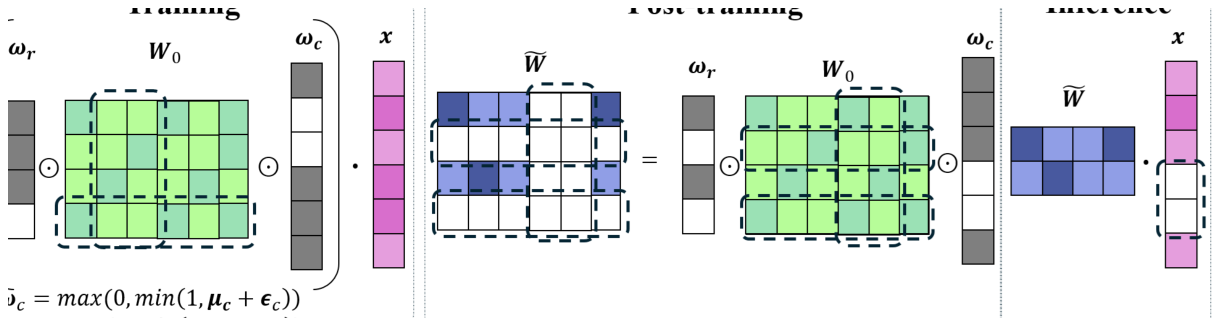
Parameter-Efficient Training
We study low-rank optimization, structured sparsity, adaptive rank selection, and compression methods that make large models cheaper to train and deploy.
- SUMO NeurIPS 2025
- AdaRankGrad ICLR 2025
- Train Less, Infer Faster AISTATS 2026
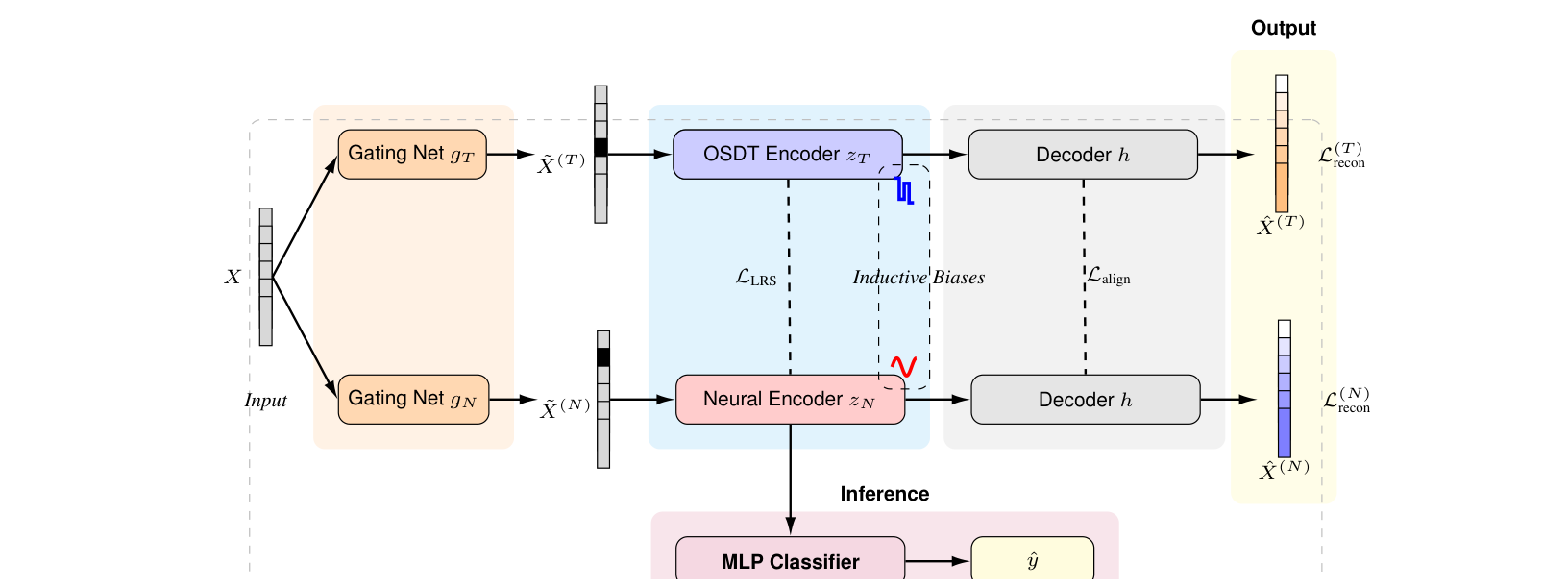
Tabular Deep Learning
We design models for structured data where labels are scarce, features are heterogeneous, and explanations matter as much as predictive accuracy.
- Hybrid Autoencoders NeurIPS 2025
- Locally Sparse Neural Networks ICML 2022
- Partition First, Embed Later ICML 2025 Oral
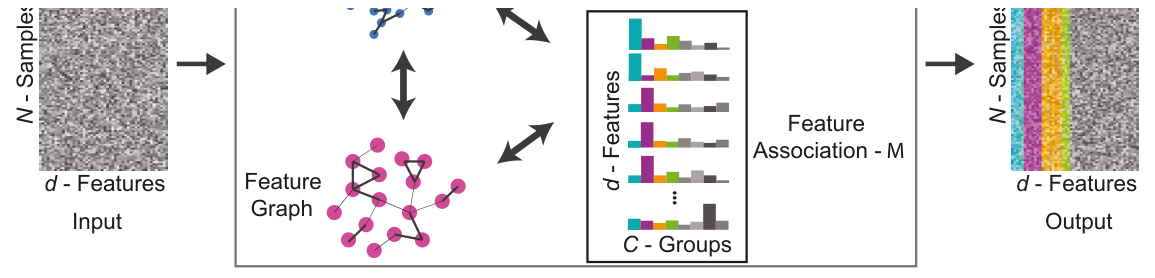
Interpretability
Our interpretability work focuses on feature selection, sparse local explanations, and concept-level structure that remains useful in real scientific datasets.
- GroupFS AAAI 2026 Oral
- Stochastic Gates ICML 2020
- Conditional Stochastic Gates ICML 2024
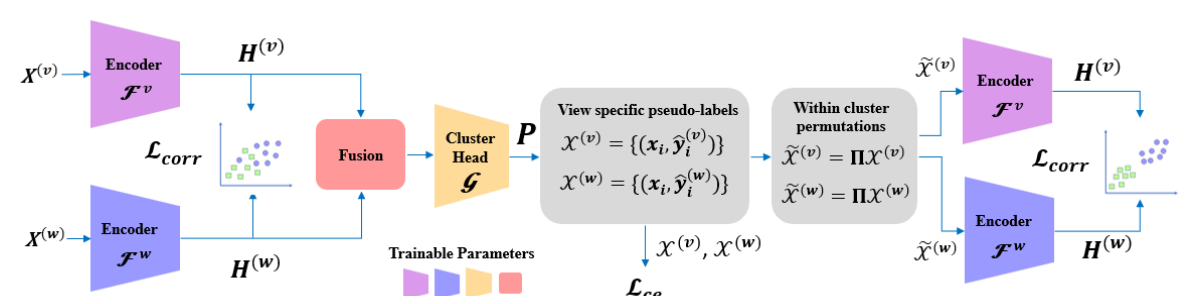
Multimodal Learning
We develop representation learning tools for multiple views, modalities, and aligned or partially aligned observations, from clustering to spectral methods.
- COPER ICLR 2025 Spotlight
- Learning Permutation from Structure ICML 2026
- Robust Spectral Multi-view Learning TMLR 2025
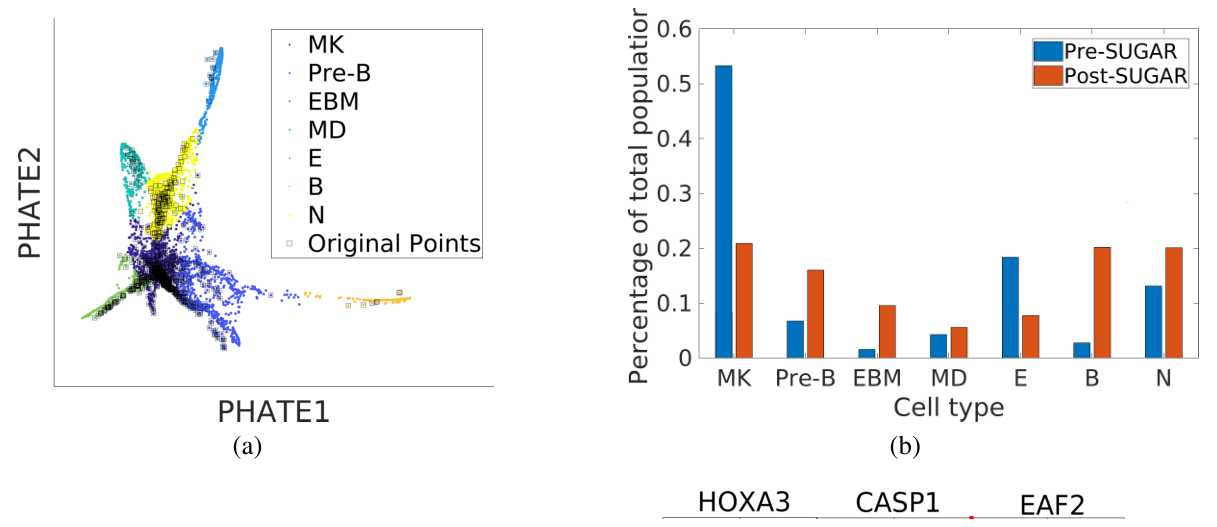
Computational Biology
We use machine learning to study high-dimensional biological measurements, including single-cell data, adaptive immune receptors, and biomedical tabular prediction.
- DiCoLo RECOMB 2026
- Geometry-Based Data Generation NeurIPS 2018 Spotlight
- Alignment-Free BCR Clone Identification NAR 2020